


It’s about safety at speed and particularly drivers being able to enjoy their passion and get home to their families and businesses. An essential key to excellent race seat design is its ability to keep the various parts of the body in relationship to each other when put under severe stress (impact). This important brief was put to FIA Approved motorsport seat manufacturer Racetech Managing Director David Black by the late Dr John Melvin at the Performance Racing Industry (PRI) Show back in 2002.
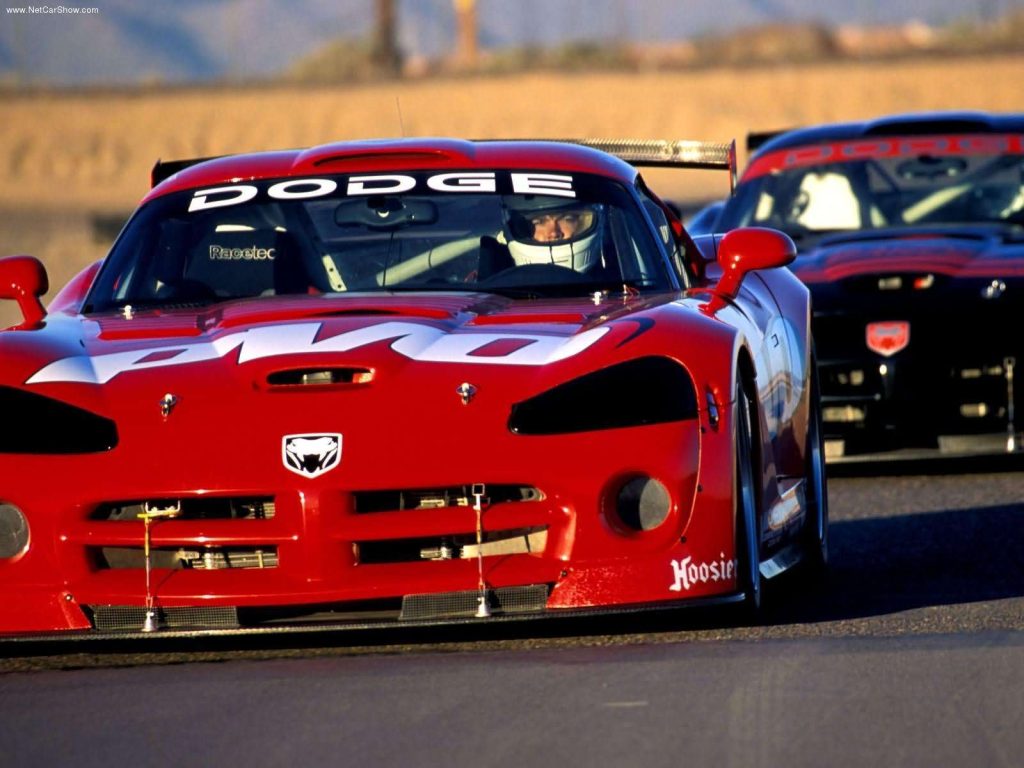
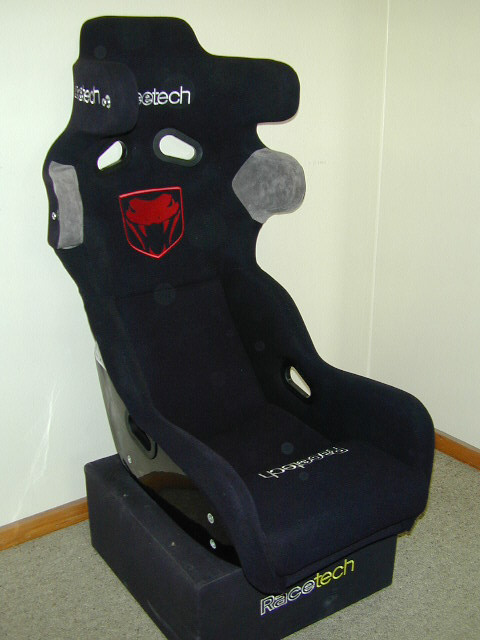
The significance of this encounter was that it led to meetings with Chrysler and the launch of a Dodge Viper Competition Coupe with a new safety package that included Racetech seats. At that time, Chrysler had the belief that there was no race seat on the global market that would meet their customers’ requirements. Extensive dynamic testing was done to 45G in all directions and Racetech’s entry was the only one that survived without any signs of cracking or delamination.
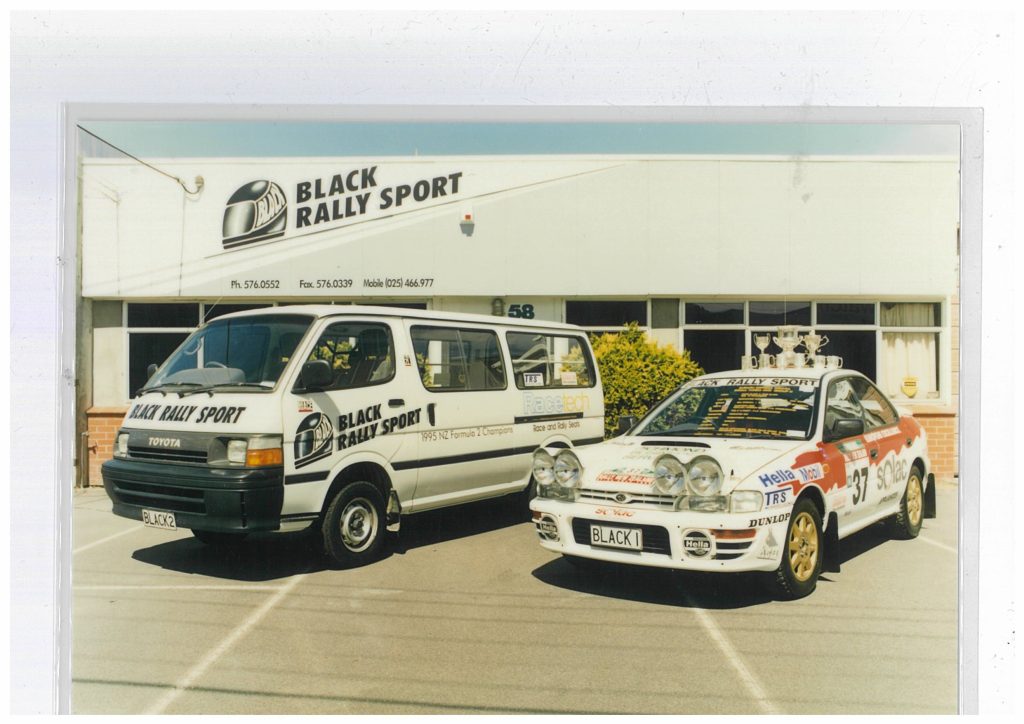
Turn the clock back to 1992, the year that Racetech was initially established by the late Bryan Hayton in Christchurch. David Black became a distributor which led to him eventually purchasing the business in 1998, having seen the huge export potential after visiting the Autosport International Show while on holiday in the UK.
Black had an extensive background in motorsport, initially on two wheels before catching the rallying bug, first campaigning a rear-wheel drive Toyota Starlet through to a Subaru Impreza and Nissan Almera.
Due to his involvement in motorsport, a major frontal impact crash in 1994 was not only a life changing experience for David but also a new appreciation for safety and the importance of good gear.
“It was a decent hit and you see your life disappearing in front of you,” said Black reflecting on the experience. “I was looking at the bonnet and the tops of the trees on the other side of the gully.
“Then the car tilted down and I opened my eyes again and thought ‘this isn’t going to be good’. However, we were lucky that it was a very soft gravely river bed that absorbed a lot of the energy.
“Both my navigator and I had bruising on our chests from the belts. It was pre-Hans device days and I compressed the steering column; he had a neck-brace on for a month.
“It made me appreciate the importance of safety gear. While the seat didn’t have a lot to do with it being a straight frontal impact, it made me understand it because as a competitor who has been in a serious accident, I can now talk to drivers very easily about what is going to happen and how it is going to happen.”
Back to 2002, David met with Dr John (Melvin) and the team from Chrysler at Mid-Ohio (Sports Car Course) to look at the Viper to see what their requirements were for the project.
“At that Viper Days event, John looked at our existing product and he said, ‘Nice looking product David, but there are some simple things about safety in a race car and supporting the human body’.
“It’s about keeping the various parts of the body in the same relationship to each other. The head, the shoulder and the pelvis; if you keep all of those in the same relationship to each other, the human body can handle incredibly high g-forces in deceleration.
“You need to catch the body on the shoulder and not the rib. You have lots of padding on the shoulder called muscle. You need a very square shoulder so that it catches the body. You don’t want to support the ribs so much. The ribs are little sticks with vital organs behind them and they get damaged very easily when you break ribs.
“He talked about the relationship between the head and the shoulder. When you see our (Racetech) head restraint seats there is quite a step between the shoulder and the head which is obviously very important so the head doesn’t move too far.
“He then said you also don’t want to transfer all the load to the floor and the side brackets only, and that you need to fix it to the chassis at the shoulder level, which is something we instigated in the Dodge Viper in 2003.”
Racetech supplied their hand-built back-mounted seats to the Subaru World Rally Team in 2006 with drivers Petter Solberg and Chris Atkinson and again in 2008.
“I flew into Wales Rally GB (2008) and got there on the Saturday morning. Chris Atkinson and his co-driver Stephane Prevot had a bad accident the night before the Walters Arena stage (SS7).
“Stephane came up to me in the service park the next day and said, ‘Thank you, ‘your seat saved my life.’
“I later had a look at the car on the Monday at Prodrive (Subaru WRC Team). It was devastating what had happened to the car while the seats were still intact. In fact, the roll cage had come in on Chris’ head and pushed the side of the seat against his head, which took a bit of bruising.”
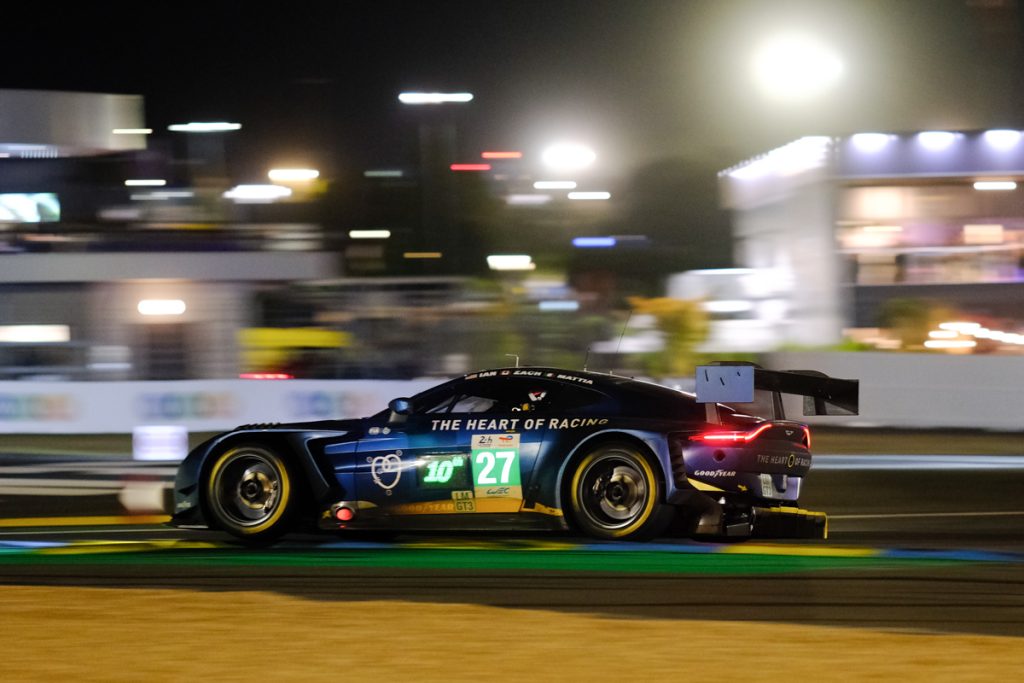
Work also went into providing seats for the Porsche LMGTE program in the World Endurance Championship.
“That was a big step up for us, that Porsche had chosen our seat for their works car, in which we designed a specific product which was close to our standard, with dimensional changes that they requested.
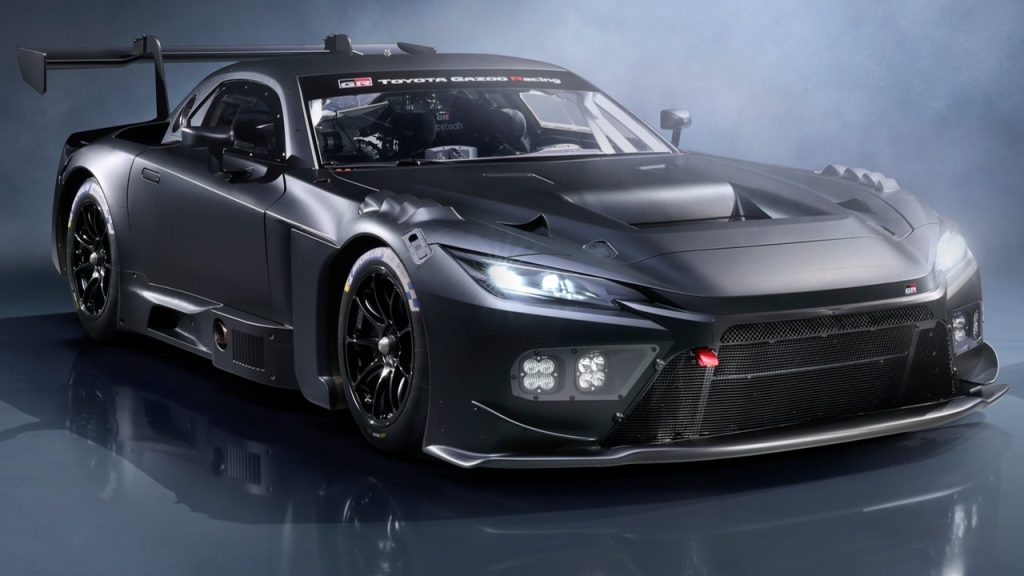
“We now supply seats for current GT3 and GT4 cars for Aston (Martin) and Corvette as well as the McLaren GT3. Out latest project in which we have created a specific seat for, is the new Toyota GR GT3, unveiled in December 2025
“I delivered the prototype seats to Tokyo and met the Toyota team. Previously they had been testing the car with one of our standard seats and since have been through a design process with us which has gone very well.”
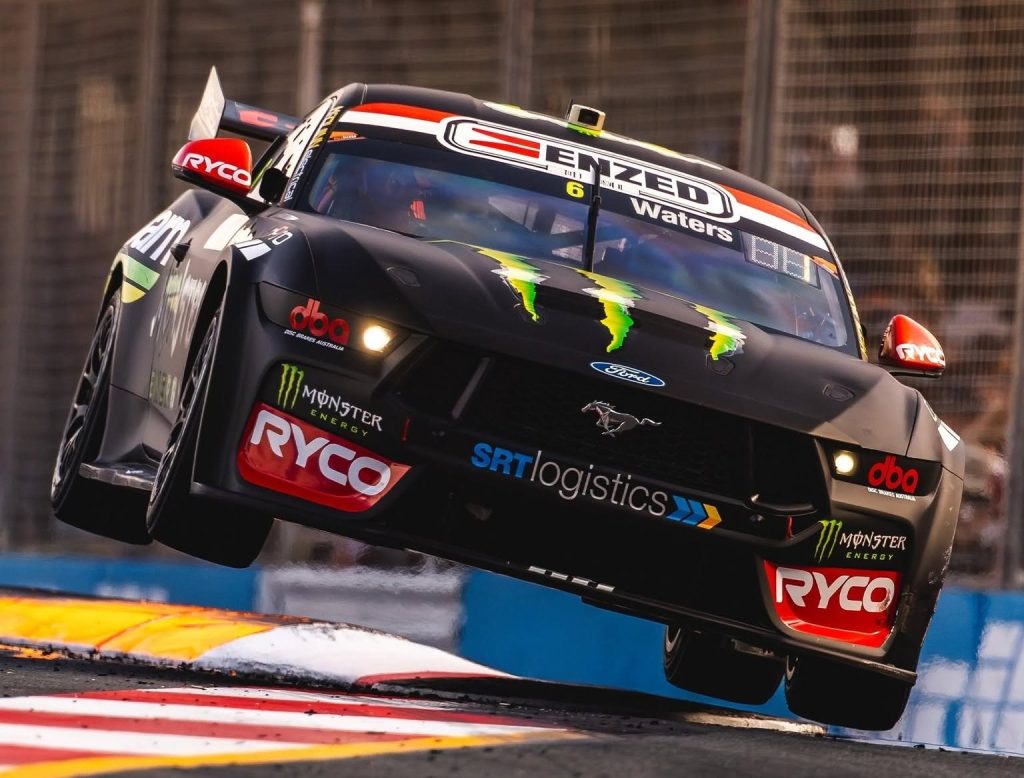
Racetech now supply 55% of the global GT motorsport market, New Zealand Stock Cars, the entire field of Supercars, Toyota GR86’s in Australia & New Zealand, factory-backed drag racing programs with Ford and Dodge in the US and continuing to grow on the global motorsport stage. Why the success?
“Safety has traditionally been a reactive philosophy whereas we are wanting to be proactive working with sanctioning bodies,” said David. “We are not waiting for something to happen before safety has been improved.”


Comments